Spay and Neuter: Why Prairieville Animal Hospital Recommends It
@jaidencfia491
September 30, 2026 · 17 min read
The decision to spay or neuter a pet sits at the intersection of health, behavior, and community responsibility. At Prairieville Animal Hospital, we see the consequences of that choice every day. Our clients walk in with cats and dogs who are thriving because someone chose to intervene early. Others come in with a plan that executes over time, balancing finances, temperament, and the realities of daily life. The conversation around spay and neuter isn’t a single event, but a sequence of decisions that shapes a pet’s life and the broader fabric of our community.
When I think back to my early years in veterinary practice, the first cases that stood out were not the dramatic emergencies but the quiet, steady outcomes of routine procedures done well. A neutered male dog who finally stops wandering and marking every mailbox, a spayed cat who blossomed into a calmer companion, a community that benefits from fewer unintended litters—these are the threads that knit together a real-world argument for responsible animal care. Prairieville Animal Hospital has built its approach around that clarity. We emphasize evidence-based practice, patient comfort, and clear communication with owners who may be weighing the same questions you are today.
A practical starting point is to understand what spay and neuter do, beyond the obvious. Spaying a female animal removes the risk of pregnancy and dramatically reduces the chance of certain reproductive cancers. Neutering a male animal lowers the likelihood of testicular cancer and often curbs behaviors tied to mating instincts. When performed in a veterinary setting like ours, these procedures are accompanied by anesthesia safety protocols, pain management plans, and postoperative instructions that help pets recover smoothly. The goal is not simply to prevent litters, but to promote long-term health and a higher quality of life for each patient.
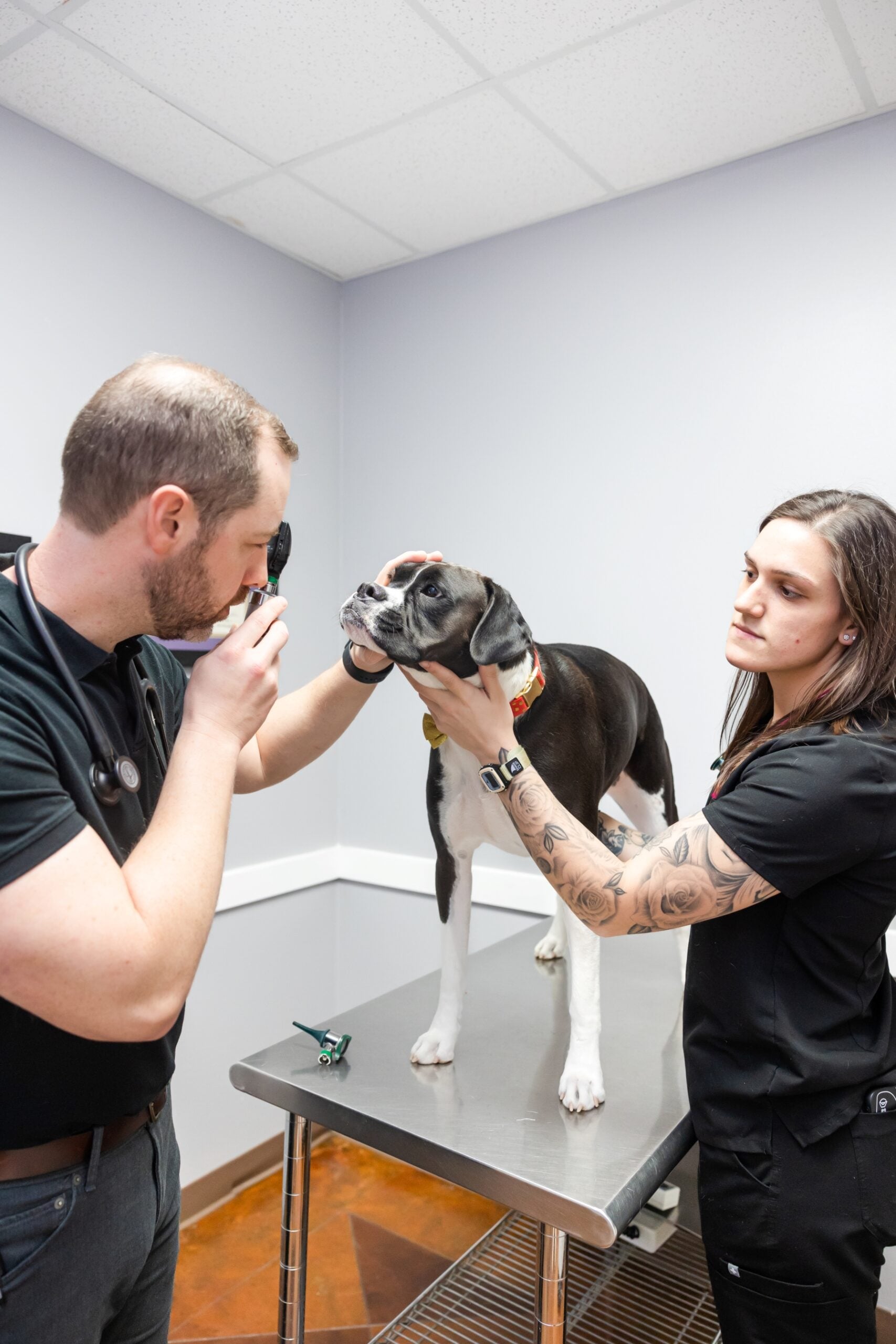
What makes Prairieville Animal Hospital different in this space goes beyond the procedure itself. We operate with a belief that timing matters as much as technique. For some pets, there is a window where the benefits are most pronounced and the risks minimal. For others, scheduling considerations, breed-specific issues, and the presence of concurrent health conditions shift the calculus. Our team tends to view every case as a small collaboration: the pet, the owner, and the clinician. The result is care that feels practical and personally tailored rather than one-size-fits-all.
Our clinic’s approach to spay and neuter is informed by years of casework across a spectrum of species and life stages. We frequently encounter questions about when to schedule, how to prepare, and what to expect on the day of surgery. The answers hinge on clear preoperative assessment, a transparent discussion of risks, and a postoperative plan that supports successful healing. It is not enough to perform the surgery; we want each family to walk away with confidence in the decision and a clear understanding of the aftercare responsibilities.
To put this into shape, consider a typical patient journey at Prairieville Animal Hospital. A family calls to discuss a two-year-old female dog who has never been spayed. We talk through the medical history, confirm current medications, and review any chronic conditions that could influence anesthesia. We schedule a preoperative exam where the veterinarian checks vital signs, weighs the animal, and confirms there are no signs of infection or illness that would complicate anesthesia. On the day of surgery, the team follows a detailed protocol: fasting guidance, anesthesia monitoring, and a plan for pain control that begins before the incision and extends into the recovery period. The post-anesthesia phase is given careful attention, with temperature, hydration, and comfort monitored in the recovery area. When the pet goes home, the family receives step-by-step instructions on activity restrictions, wound care, and what signs would warrant a call to the clinic.
The practical value of spay and neuter is measurable in both health outcomes and day-to-day life. For female dogs and cats, spaying reduces the likelihood of uterine infections and lowers certain cancer risks. For male dogs and cats, neutering lowers the risk of testicular cancer and can influence the severity of hormone-driven behaviors. These improvements are not abstract. They translate to fewer veterinary visits for reproductive issues, less risk of unwanted pregnancies in the community, and a potential reduction in certain types of aggressive or roaming behavior. In a busy household, fewer trips to the clinic for pregnancy-related concerns or behavioral challenges can free up time for the humans who share the space with their pets.
The decision to proceed also comes with practical constraints. Travel time, work schedules, the pet’s temperament, and the family budget all come into play. Prairieville Animal Hospital aims to make the process as straightforward as possible while preserving safety and effectiveness. We offer flexible scheduling, a transparent estimate that itemizes the cost of the procedure, anesthesia, and postoperative care, and guidance about what a pet needs in the days after surgery. The goal is to minimize surprises and to ensure that every owner feels informed and supported throughout the journey.
Beyond the medical rationale, there is a broader ethical and community dimension to spay and neuter. Our clinic has seen the impact of animal overpopulation in neighboring neighborhoods and understands how those outcomes can strain shelter systems, local resources, and foster networks. When families choose spay and neuter for their pets, they are participating in a pragmatic approach to animal welfare. It is a decision grounded in compassion and common sense, not guilt or fear. People who might never consider themselves activists find themselves making a quiet, meaningful choice that benefits animals and people alike.
To help families decide when the timing is right, we provide guidelines that reflect practical realities: breed, age, current health, and lifestyle. For many dogs, early spay or neuter—often around six months of age—fits well with growth patterns and behavioral development. For cats, the window can be similar, although some caregivers prefer to wait a bit longer if the animal is small or sensitive to anesthesia. Our veterinarians weigh each patient’s risk factors and come to a recommendation that balances surgical safety with long-term health goals. Every plan we present comes with an explanatory note about potential risks and a realistic sense of what recovery looks like.
The actual surgery is performed with a calm, methodical precision that comes from years of practice. We rely on modern anesthesia protocols and refined pain management strategies to keep discomfort minimal. In the recovery room, we watch closely for any signs of distress, ensuring pets regain consciousness in a controlled environment and leave with their families feeling confident in how to manage the healing period. It is not unusual for a dog or cat to bounce back quickly, returning to normal activity within a week or so, though exact timelines vary with age, species, and overall health.
One recurring theme in our conversations with pet owners is the need for clear aftercare. The post-operative phase often raises questions about activity restrictions, wound cleaning, and what to watch for as the incision heals. We emphasize simple routines: a quiet space for rest, a clean collar to prevent licking, a schedule for pain medication if prescribed, and a daily check of the incision line for redness, swelling, or discharge. Owners appreciate straightforward instructions rather than complicated regimens, and we tailor guidance to each animal’s temperament and living situation. A household with a curious puppy may require stricter supervision in the first 10 days, while an older, more sedate cat might recover with a lighter touch and less manual intervention.
Another angle worth highlighting is the role spay and neuter plays in the broader practice of preventive care. The decision to remove reproductive organs does not stand alone. It often aligns with concurrent health checks, vaccinations, dental care, and general wellness planning. Prairieville Animal Hospital regularly pairs spay and neuter with a broader wellness visit, ensuring that vaccines are up to date, dental health is assessed, and vaccination schedules are harmonized with the animal’s age and exposure risk. This integrated approach reinforces the idea that preventive care is not a single event but a coordinated program designed to maximize a pet’s health over time.
For families new to the clinic, the experience can feel unfamiliar at first. Our staff make it a point to walk through every step, from the first phone call to the last post-operative check. We explain what anesthesia entails in plain terms, describe the pain control plan, and provide a written summary of what to expect in the days after discharge. We also invite questions about the procedure’s impact on behavior and long-term health. It is common for owners to report a noticeable improvement in a dog’s energy and focus after the initial recovery period, a reflection of the stabilization that often follows neutering.
The decision to spay or neuter should also consider the pet’s health history. Animals with chronic conditions such as endocrine disorders or heart disease require a different risk assessment. Our veterinarians perform a thorough preoperative evaluation to identify potential complications. If a condition is detected, we may adjust the anesthesia plan, defer the procedure until the condition is stabilized, or implement additional safety measures during surgery. This careful attention to individual health status helps ensure that the procedure remains a net positive for the patient.
The practical realities of pet ownership in Prairieville influence our approach as well. Some households rely on a single car for daily routines, while others juggle school drop-offs, work schedules, and the unpredictable demands of life with children. In these contexts, the timing of surgery can be critical. We aim to offer scheduling options that fit real lives, including weekend slots when possible and flexible weekday appointments. The ultimate objective is to remove as many logistical barriers as possible while maintaining safety and a high standard of care.
To illustrate the nuances with a concrete example, consider a seven-year-old cat who has lived strictly indoors since adoption, with no prior health issues. If the cat were a potential candidate for spay, the decision would rest on a combination of age, overall health, and risk of anesthesia. In older animals, veterinarians may perform additional preoperative testing, such as blood work, to screen organ function and to ensure the cat can tolerate anesthesia. Yet even in cases where the cat has aged beyond the typical window for routine spay, careful assessment can reveal that the benefits still outweigh the risks. Prairieville Animal Hospital treats each scenario with the seriousness it deserves, never assuming a one-size-fits-all answer.
The economics of spay and neuter is a frequent topic of conversation. Pet owners want transparent pricing and predictable bills, especially when multiple services are bundled in a single visit. We provide detailed estimates, including the surgical fee, anesthesia, medications, and post-op instructions. We also discuss possible costs that could arise from unforeseen complications, offering guidance about what would constitute an emergency and how the clinic would handle such a situation. For many families, the value of the procedure extends beyond the immediate surgical day; it translates into reduced veterinary costs over the pet’s lifetime and a lower likelihood of accidental litters, which can save money and heartache in the long run.
In recent years we have also seen evolving perspectives on anesthesia safety and pain management. Our team stays current with best practices, incorporating multi-modal analgesia, which uses several drugs and techniques to control pain without heavy reliance on any single medication. This approach improves comfort during recovery and can shorten the time animals spend under sedation. We have learned through experience that communication is essential here: owners appreciate honest discussions about how pain is managed and what signals to observe at home if their pet seems uncomfortable after returning from the procedure.
The value proposition of spay and neuter extends into community health as well. When communities successfully adopt higher rates of sterilization, there is often a measurable decline in stray animals and shelter intake. This is not purely philosophical; it translates to real reductions in the emotional and financial burden that come with stray animals, including disease transmission, injury risk, and the resources shelters require to care for them. Prairieville Animal Hospital supports community education efforts that explain the practical steps owners can take to participate in a healthier ecosystem for animals and people alike.
If you are evaluating the timing for a spay or neuter, there are several factors to weigh. Age is a practical consideration in most cases, but so is the animal’s behavior and living situation. A cat who spends evenings outdoors may benefit from an earlier spay to minimize roaming. A dog who has a history of leash aggression could experience behavioral benefits after neutering, although this is not a guaranteed outcome and should be discussed in the context of training and environmental management. Health history matters as well. If there are ongoing medical concerns, a plan may involve treating the condition first or coordinating care with specialists. The goal is to preserve safety, minimize risk, and maximize the long-term well-being of the patient.
The patient experience at Prairieville Animal Hospital during spay or neuter is designed to be as calm and predictable as possible. Front desk staff coordinate reminders and pre-surgical instructions, while veterinary technicians focus on the nuance of anesthesia monitoring and comfort. The surgeon brings years of hands-on practice to the table, preferring efficient, clean techniques that minimize tissue handling and promote rapid recovery. In the end, the end result is not merely the removal of reproductive organs; it is the creation of a healthier, safer life trajectory for the pet and fewer stressors for the owner.
The conversation about spay and neuter is rarely finished in a single visit. It evolves as pets age, as living arrangements change, and as families gain more experience with preventive care. Prairieville Animal Hospital remains a steady partner in that process. We are not here to push a single outcome but to illuminate the options, explain the trade-offs, and help families plan for a future where pets live longer, healthier lives. Our commitment is to practical, compassionate care that respects the realities of daily life while never compromising on safety or the patient’s welfare.
Two practical notes often surface in conversations around this topic. First, scheduling and preoperative preparation deserve attention. Owners should plan for a quiet day at home after the procedure, arrange transportation if necessary, and ensure someone is available to monitor the pet during the initial recovery period. Second, the postoperative phase is about steady progress rather than dramatic leaps. Even when a patient seems to recover quickly, there is a quiet arc of healing that deserves patience. Wounds heal, energy returns, and appetite comes back in due course when guidance is followed.
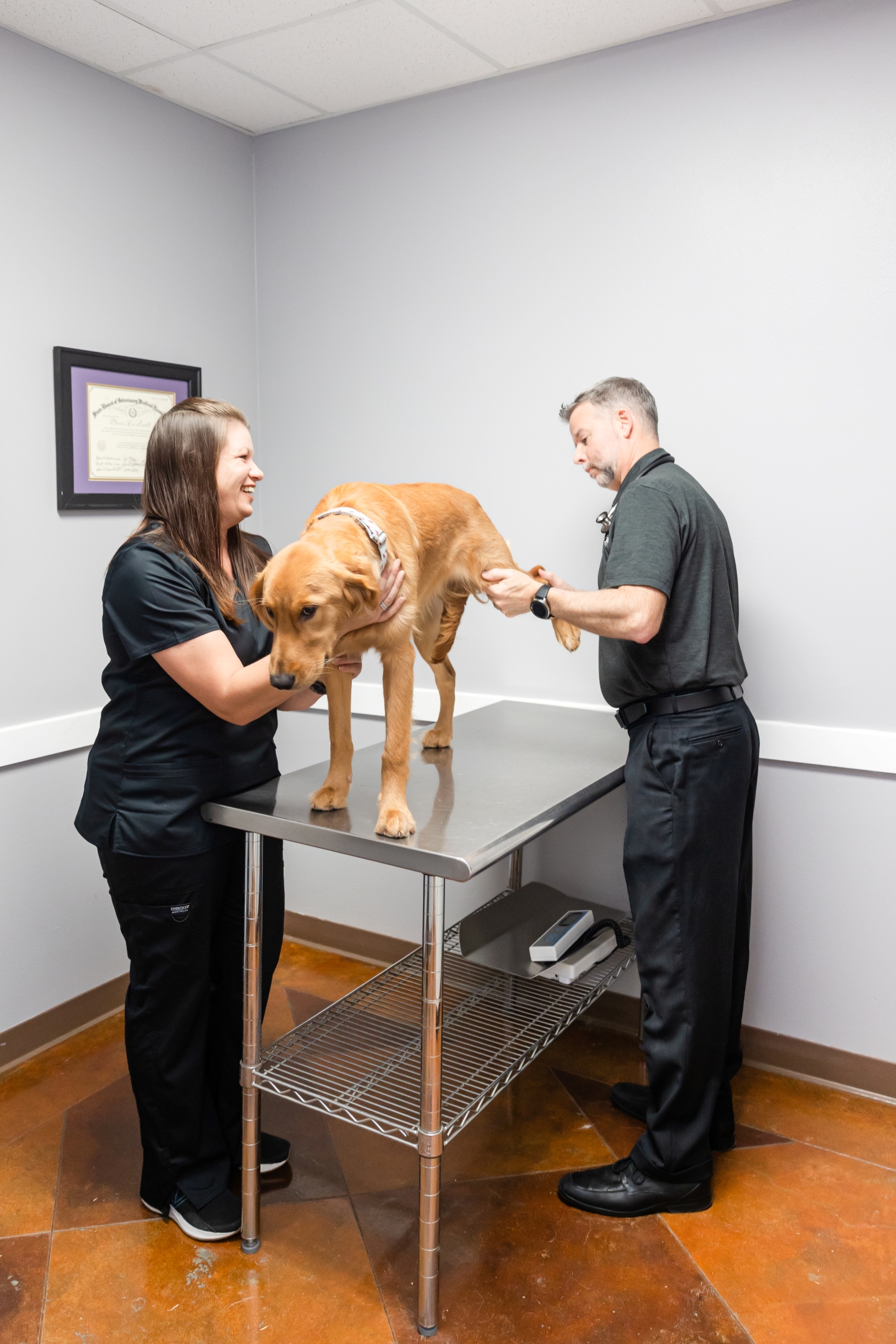
If you are curious about how spay and neuter are implemented at Prairieville Animal Hospital, the best next step is a direct conversation with our team. We welcome questions about anesthesia, pain management, recovery expectations, and the kind of aftercare that fits your home. We can tailor a plan for a your pet’s unique needs, whether your dog is a high-energy retriever or a laid-back indoor cat. The aim is not to create fear around surgery, but to foster confidence boarding kennels prairieville la in a choice that can lead to long years of companionship.
There is no shortage of real-life outcomes that reinforce the value of these procedures. A neighbor recently shared that after neutering her small terrier mix, the dog stopped attempting to escape the yard and began focusing her energy on playtime with family members. Another client reported that after spaying her older mixed-breed cat, the pet regained interest in meals and started spending more time lounging in sunlit corners rather than pacing near doors. These anecdotes are not universal proofs, but they illustrate how spay and neuter can align with a pet’s natural tendencies to produce a more harmonious daily life.
We recognize that each household has its own rhythm and constraints. For some, the path to spay or neuter is straightforward; for others, it requires careful planning and a longer timeline. Prairieville Animal Hospital wants to be a steady, transparent partner in that process. We provide honest cost estimates, clear explanations of the benefits, and a plan that respects the pace at which your family operates. The trust built through consistent, compassionate care is the cornerstone of our practice, and it informs every appointment, every discussion, and every follow-up visit.
In closing, the rationale for spay and neuter at Prairieville Animal Hospital rests on a simple, robust foundation: better health for individual pets, fewer unwanted litters in the community, and a sustainable model for preventive care that families can navigate with confidence. The best outcomes come from thoughtful planning, clear communication, and a readiness to adapt the plan when new information or life changes arise. As clinicians, we measure success not by a single statistic but by the continued confidence of families who know their pets are safer, healthier, and happier because of the choices they have made. That is the everyday reality we strive to deliver in Prairieville.
What to expect on the day of surgery and in the days that follow can come with a few practical specifics. First, arrive a bit early to complete any remaining paperwork and to review postoperative instructions. Second, after the procedure, most pets recover in one of our comfortable recovery bays, where staff monitor vital signs and comfort levels. Third, once discharge occurs, you should limit activity and monitor the incision site for signs of swelling or drainage, contacting the clinic if anything seems off. Fourth, plan for a brief period of rest at home, with a gradual return to regular activity over a week or two depending on the animal. Fifth, keep a close eye on appetite and hydration; a slight dip immediately after surgery is common, but a sustained decrease warrants outreach to the veterinary team.
For those curious about the broader spectrum of care at Prairieville Animal Hospital, it is useful to connect spay and neuter with other preventive services. Wellness exams, vaccinations for pets, dental care, and even healing-focused pet surgery are all part of the same continuum. The idea is not to isolate any single service but to integrate them into a coherent program that supports a pet’s health across the lifespan. Vaccinations guard against infectious diseases that could complicate recovery, dental care supports overall health and comfort, and well-timed wellness exams catch issues before they become significant problems. In this integrated approach, spay and neuter plays a central role in reducing future health risks and simplifying long-term care planning for families.
The choice to proceed with spay or neuter is, at its core, a practical one. It is about reducing risk, improving quality of life, and aligning veterinary care with the realities of pet ownership. Prairieville Animal Hospital offers a clear, thoughtful pathway to that outcome, grounded in clinical experience, patient-centered care, and a commitment to community welfare. We invite families to contact us with questions, to discuss their pet’s history, and to explore scheduling options that fit their lives. The goal is not to overwhelm with technical detail, but to empower owners with enough information to make the best possible decision for their companion.

If you are weighing this decision for a dog or a cat, take heart in the fact that you are choosing a path that many guardians have walked before you. The results can be quiet and meaningful rather than dramatic and flashy. A smoother daily routine, fewer medical surprises, and a longer, healthier life for your pet are tangible outcomes that arise from a well-considered spay or neuter plan. Prairieville Animal Hospital is here to help you navigate the landscape with clarity, empathy, and clinical excellence. We understand the responsibility you carry, and we are prepared to share the load, turning a complex decision into a manageable, constructive step forward for your beloved animal.