Prairieville Animal Hospital: Preventive Care for Lifelong Health
@jaidencfia491
September 30, 2026 · 15 min read
In veterinary medicine, preventive care is not a single event but a rhythm you learn to live with. At Prairieville Animal Hospital, preventive care is more than vaccines and annual exams. It’s a partnership with pet owners, built on observation, data, and a shared understanding that early action saves illness, distress, and dollars down the line. I’ve spent years listening to families describe their dogs and cats as busy, stubborn, and surprisingly resilient. I’ve also watched those same animals slip from wellness into preventable trouble when the basics were neglected. The difference between those two paths is often a matter of daily routines, timely visits, and small, consistent choices.
This article isn’t a sales pitch dressed up as guidance. It’s a practical look at how preventive care unfolds in a real neighborhood clinic, where we balance medical science with everyday life. We’ll cover what preventive care looks like on a practical day, how it adapts as pets age, and how owners can participate actively without feeling overwhelmed. If you’re searching for a trusted animal clinic near me or need an affordable vet services plan, you’ll see how Prairieville Animal Hospital makes preventive care accessible and meaningful.
A baseline for lifelong health begins the moment a pet arrives in a new home. The first weeks are a window into the future they’ll enjoy. You learn a lot from the way a puppy explores a yard or a senior cat settles by a favorite window seat. Those early impressions shape what we focus on at annual exams and wellness visits as the years pass. The clinical reality is that prevention matters more as a pet ages, but the foundation is laid in those first months: microchip awareness, vaccinations, parasite control, dental health, and a practical vaccination schedule that fits a family’s life.
The practice at Prairieville Animal Hospital is anchored in routine, but discover more not in rigidity. We gather your pet’s history, perform a thorough physical exam, and discuss how lifestyle affects risk. A bucket of questions follows you home after a visit because prevention is a collaborative process. Is your dog a field retriever who spends weekends in wet grass? Does your cat hunt birds in the yard or spend most days indoors? Each routine has a different set of concerns and opportunities. The goal is to tailor a plan that keeps your pet comfortable, curious, and active for as long as possible.
Preventive care translates into fewer emergencies, more predictable health costs, and a higher quality of life. The bones of a good plan are simple and adaptable. A reliable vaccination schedule cushions against the most common, readily preventable diseases. Regular exams catch early signs of problems that might otherwise go unnoticed in the bustle of daily life. Deworming, flea and tick prevention, dental cleanings, obesity management, and nutrition guidance all contribute to a stable baseline of health. The aim is not to avoid all risk, but to manage risk in a way that aligns with your family’s values and your pet’s needs.

A trackable approach to preventive care begins with a clear record. At Prairieville Animal Hospital we keep detailed histories, noting changes in appetite, energy, fur quality, and mobility. When owners come in with a note that their pet has started limping after a long walk or has begun drinking more water, we understand that those signals are not trivial. They are the body’s way of saying something is shifting. We follow those signals with method: a physical examination, targeted diagnostics if needed, and a plan that fits the pet’s age, breed susceptibility, and lifestyle. This is where the distinction between reactive medicine and preventive care becomes clear. The former addresses problems after they appear; the latter reduces the likelihood of those problems arising in the first place.
Vaccinations form the backbone of preventive care for many pets. The schedule varies by species, age, health status, and exposure risk. For dogs, core vaccines for distemper, adenovirus, parvovirus, and rabies are reinforced by boosters over time, with adjustments for travel plans or exposure risk. For cats, vaccines against feline herpesvirus, calicivirus, panleukopenia, and rabies are weighed against lifestyle. If your cat mostly stays indoors, your veterinarian may tailor a protocol differently than if the cat roams outside daily. The team at Prairieville Animal Hospital explains the rationale in clear terms, because understanding the purpose behind each vaccine helps families commit to a plan rather than treating it as a bare minimum. Vaccination decisions are never one size fits all, but they are anchored in a shared objective: protect the animal while respecting the family’s constraints.
Dental health deserves special attention in preventive care. Pets live longer these days, and aging does not have to mean losing function or comfort. In practice, dental care is not merely about fresh breath. It is about maintaining the bite, keeping gums healthy, and avoiding the systemic consequences of chronic dental disease. Regular brushing at home, dental diets, and professional cleanings when indicated create a practical cadence that matters. I’ve seen pets with excellent coats and steady weight who still suffer due to unchecked oral disease. Addressing dental health as part of preventive care often yields tangible improvements in appetite, energy, and overall vitality.
Nutrition and weight management are not buzzwords in our clinic. They are daily concerns that drive long-term outcomes. A pet that maintains an ideal body condition score is less prone to joint strain, diabetes, and certain cancers. The challenge is translating a dog or cat’s food needs into a feasible routine that a family can sustain. That may involve measuring meals, adjusting portions as activity levels change with the seasons, or selecting foods that address life stages. At Prairieville Animal Hospital we help families choose balanced diets, review labeling with a critical eye, and set realistic goals. We don’t promise overnight miracles, but we do promise steady progress informed by real-world observations.
Senior pet care is a distinct chapter within preventive medicine. Animals don’t suddenly become geriatric on a timetable, but aging brings shifts in energy, mobility, and organ function. Senior pets require more frequent monitoring, sometimes every six months, to catch fluctuations in kidney function, thyroid balance, or joint health. We discuss comfortable movement strategies, such as low-impact exercise and environmental modifications that reduce strain. We share practical tips for managing cognitive health, including enrichment activities that stimulate the brain and help preserve behavior patterns families rely on. When a pet crosses into senior years, preventive care becomes a more nuanced blend of early detection, supportive therapies, and quality-of-life planning.
Preventive care isn’t a sterile checklist performed in a back room. It lives in the daily rituals of pet ownership. It lives in the way you rotate yard time with indoor time to reduce exposure to pests. It lives in the way you supervise a cat’s self-grooming routine to prevent hairball issues or how you manage a dog’s exercise schedule around weather extremes. The clinicians at Prairieville Animal Hospital emphasize that preventive care is not a single event but a cycle that adapts year by year. We measure progress through client-reported outcomes, not just laboratory numbers. If your dog gleefully sprints toward the door when you return home, that’s a healthy sign. If your senior cat lingers at the sunbeam longer than usual, that may indicate shifting needs, and a well-timed check can clarify what’s happening.
In practical terms, preventive care at Prairieville Animal Hospital is organized around a few core priorities. First, we build a flexible vaccination plan tailored to risk and lifestyle. Second, we emphasize regular physical examinations that look beyond the obvious ailments to subtle shifts in behavior, gait, or appetite. Third, we advocate for dental health as a standard element of wellness rather than a special procedure only when problems arise. Fourth, we integrate nutrition counseling and weight management as ongoing, actionable plans rather than one-off advice. Fifth, we acknowledge the emotional dimension of pet health, recognizing that owners need clear, compassionate guidance during changes in appetite, mobility, or mood. Each of these priorities informs the others, creating a coherent strategy that feels practical in the real world.
In the day-to-day life of a clinic, preventive care also means proactive planning for common life events. A family might prepare for a new puppy or an adopted adult dog by scheduling a comprehensive wellness assessment within the first weeks. This initial visit establishes a baseline for growth, vaccines, deworming, and a feeding plan. It also invites the family to discuss socialization, training, and exposure to different environments. A cat entering a multi-pet household requires a tailored strategy to minimize stress and to ensure compatibility with existing pets. We use a calm, structured approach to introduce new companions, monitoring how each animal adapts to shared spaces.
The practical value of preventive care is felt most when families perceive it as a straightforward, repeatable routine rather than a distant ideal. We encourage owners to maintain a simple calendar for preventive care milestones. Vaccinations have established timelines, but other tasks—like flea and tick prevention, heartworm prevention where applicable, dental care, and weight checks—benefit from regular reminders. When families use a predictable cadence, they avoid lapses and the pet benefits from consistent protection. The team at Prairieville Animal Hospital has seen how predictable routines reduce anxiety for both pets and owners. A familiar process is less likely to be interrupted by life’s inevitable interruptions.
For families seeking a veterinary partner near home, the idea of an animal clinic near me is not just about proximity. It’s about consistency, communication, and a sense that the clinic understands your neighborhood’s unique needs. Prairieville Animal Hospital has built rapport with residents through transparent scheduling, clear explanations, and a willingness to adjust plans to fit a family’s changing circumstances. If you work long hours, we can discuss flexible appointment options and late-day check-ins. If you have multiple pets, we coordinate visits to minimize stress for animals that are especially sensitive to handling or new environments. The goal is to create a humane, efficient experience that respects the bond between you and your pet.
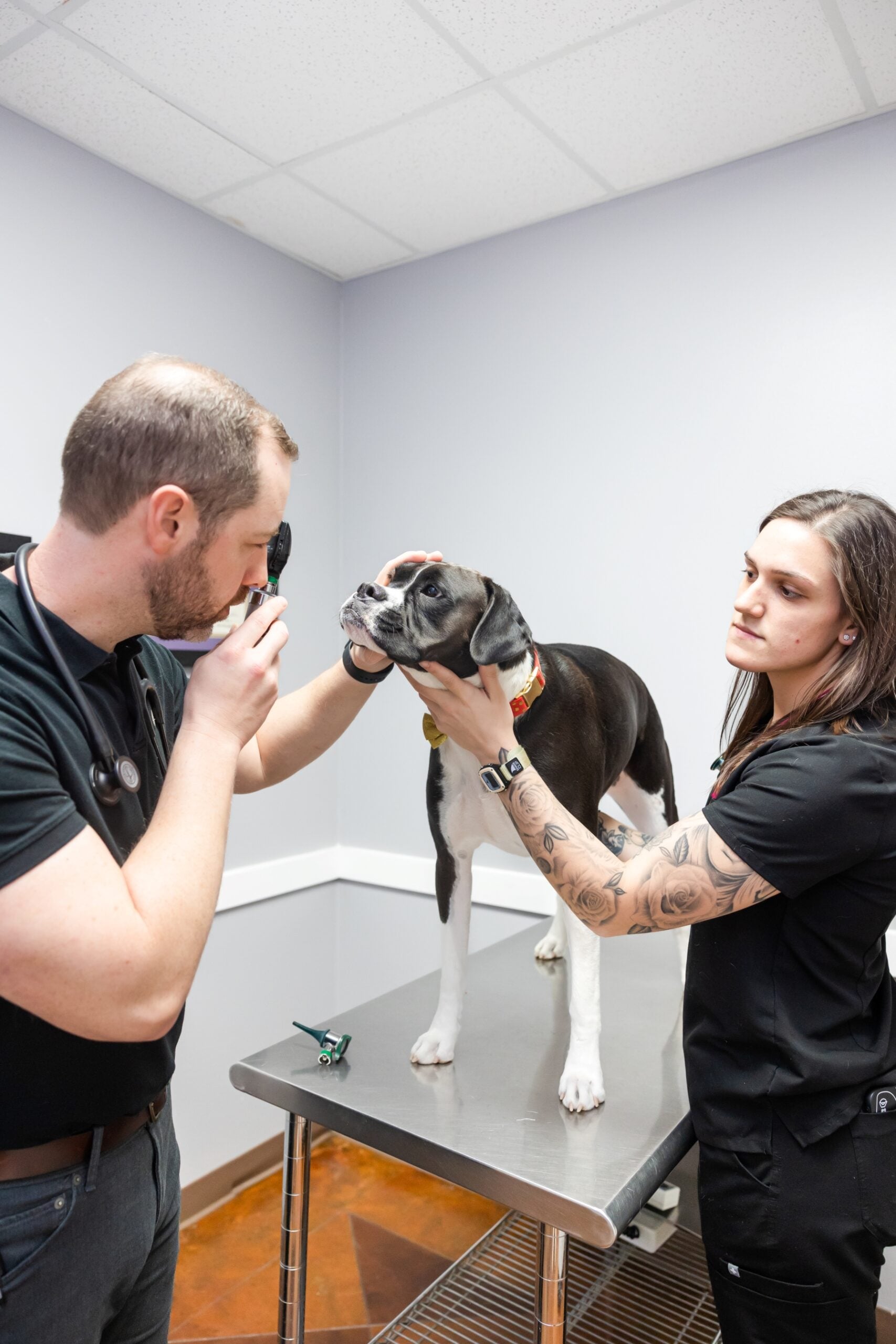
The preventive care journey is not without its trade-offs and constraints. There are ambitious goals and there are realities like budget, time, and competing responsibilities. A family with tight schedules might prioritize essential vaccines and a pragmatic dental plan while phasing in more comprehensive dental work. A smaller budget does not mean compromised care; it means prioritizing high-impact interventions and aligning them with cooperative home care. The clinicians can help you map access to affordable vet services without sacrificing the core elements of wellness. We discuss options that fit both your finances and your pet’s health timeline, balancing ideal care with feasible steps.
To illustrate how preventive care plays out in a typical week, consider a three-year-old mixed-breed dog named Ruby who lives in a bustling household with a teenager, a toddler, and a cat that rules the sunniest corner of the living room. Ruby’s owners schedule annual vaccines, a dental assessment, and a weight check during the same visit. They follow up at home with a consistent brushing routine and a weekly 20-minute walk that offsets Ruby’s energy without overtaxing her joints. The results are modest but meaningful: Ruby remains bright-eyed, gains a steady coat, and shows no sign of discomfort in the joints during routine exploration. That steady progress is the essence of preventive care in practice.
On the other side of the age spectrum is a ten-year-old cat named Willow who has learned to appreciate soft lighting, slow movements, and quiet companionship. Willow requires more frequent monitoring for kidney function and thyroid balance, along with a dental screening that respects her delicate temperament. In Willow’s case, the preventive care plan is a blend of regular blood work, careful weight management, and a home environment designed to reduce stress. The recommendation might be a midyear check plus a focused dental exam if the cat shows subtle signs of discomfort in the mouth. These are not rare or exceptional scenarios; they are the realities of caring for aging pets in a practical, compassionate way.
If you suspect your pet needs more than routine care, you should consider the signs that warrant a visit between regular wellness checks. Increased thirst or urination, unexplained weight change, lethargy, persistent vomiting, coughing, sneezing that lingers, or changes in appetite can be early warnings that something in the body is not in balance. In many cases, these signals can be evaluated quickly, with a plan that prevents escalation into more serious disease. The approach at Prairieville Animal Hospital favors early detection and clear communication about what tests are appropriate, what results would mean, and what the next steps would entail. No one should feel left in the dark about a pet’s health trajectory, even when the symptoms are subtle.
As a practice, we also recognize the realities of boarding and daily life in a busy community. Pet boarding Prairieville Animal Hospital is not just a convenience; it can be part of a preventive strategy when families travel and need reliable care in a familiar environment. The boarding process is designed to maintain continuity of care, with staff that understand each pet’s routine, dietary needs, and any medical considerations. If your pet has chronic conditions, we craft a care plan that travels with them, including medication administration, feeding schedules, and a quick, clear line of communication for updates while you are away. The connection between preventive care and boarding is about maintaining consistency even when your household routine changes.
To summarize the practical pillars of preventive care at Prairieville Animal Hospital, here are the core elements that families consistently rely on:
- Vaccination plans that adapt to risk and lifestyle, providing broad protection without unnecessary exposure to vaccines.
- Routine physical examinations that detect subtle changes early and guide targeted diagnostics when needed.
- Dental health as a practical, ongoing component of wellbeing, including home care and periodic professional cleanings.
- Nutrition and weight management as dynamic, life-stage focused programs that support mobility, energy, and chronic disease prevention.
- Senior pet care that anticipates age-related shifts with more frequent monitoring, supportive therapies, and quality-of-life planning.
These pillars are not cookie-cutter; they are assembled with your pet’s unique profile in mind. We measure success by the pet’s daily enjoyment, the owner’s confidence, and the absence of preventable health crises. The path from newborn to senior citizen requires patience, observation, and a trusted partner who can translate medical knowledge into practical steps. Prairieville Animal Hospital aims to be that partner, offering experience grounded in bedside observation and community insight.
If you are evaluating options, consider how the clinic communicates about preventive care. Do they provide clear explanations of why a test or a vaccine is recommended? Do they discuss cost considerations openly and help you prioritize within your budget? How do they handle emergencies or sudden changes in a pet’s health as part of a preventive framework? The answers to these questions often reveal the quality of ongoing care, the degree of transparency, and the level of respect for the family’s values. In many ways, the best preventive care is the kind you can talk about without hesitation, with a plan you can implement without drama.
The commitment to preventive care is, at its heart, a commitment to time. Time in the exam room to ask questions and refine a plan. Time at home for feeding, walking, brushing, and enrichment. Time in the calendar for follow-up visits and preventive adjustments as life evolves. In a busy practice, this time is precious and not always abundant, but it is the currency that buys long-term health. Prairieville Animal Hospital treats time as a finite resource that should be invested where it yields the most meaningful returns: fewer crises, steadier energy, and longer, happier companionship.
Finally, prevention is always a partnership. It requires trust, but it also demands action from both sides. Owners who show up consistently, bring honest observations, and follow through on home care make the work of prevention easier and more effective. Clinicians who listen, explain, and tailor plans to families’ real-life constraints complete the circle. The result is a practical, humane approach to health that respects a pet’s individuality while recognizing shared responsibilities. Pastoral, clinical, and practical all at once, preventive care becomes a steady rhythm rather than a set of isolated interventions.
If you are ready to explore what preventive care can mean for your pet, consider booking a wellness visit or calling Prairieville Animal Hospital for guidance on a tailored plan. The goal is not to chase perfection but to support consistency, minimize risk, and enable longer, more vibrant lives for the animals that enrich our days. For many families, preventive care is a quiet confidence that grows with each passing season. It’s the sense that, whatever the weather, your pet remains a capable, curious, and cherished companion.
In closing, preventive care is a durable, dynamic practice. It relies on routine structure, clear communication, and a willingness to adapt as a pet’s needs change. It blends medical science with everyday life in a way that respects both the animal and the owner. Prairieville Animal Hospital stands beside families, offering guidance, skill, and a steady hand when it matters most. If you are seeking an animal clinic near me that emphasizes preventive pet care, the team is ready to listen, assess, and partner with you to protect your pet’s lifelong health.