Prairieville Animal Hospital: Community Health Through Vaccination Programs
@jaidencfia491
September 30, 2026 · 16 min read
Vaccination programs form the backbone of community animal health. At Prairieville Animal Hospital, we measure success less by isolated visits and more by steady, preventable protection that travels with every pet through every season. My years in practice taught me that a thoughtful vaccination plan is not a one‑size‑fits‑all certificate, but a living schedule built around the pet, the household, and the local ecosystem. In Prairieville, the climate, the vector landscape, and even common local pets shape a program that is practical, durable, and easy for families to follow.

A vaccination program begins at the front desk with a calm, organized process and continues through every exam, every wellness check, and every routine procedure. It is about trust as much as it is about shots. Clients want to know what they are protecting their animals from, how vaccines work, and why a tailored plan matters. When a family understands the purpose behind each vaccine, compliance becomes a natural byproduct of daily care, not a struggle to remember.
Vaccination programs deserve attention because diseases don’t respect property lines or fence lines. They can drift from neighborhood to neighborhood via a single unvaccinated animal or a shared community space. Our approach at Prairieville Animal Hospital is pragmatic: we focus on vaccines that are evidence‑based, schedule them in a way that minimizes stress for pets, and couple them with education that helps families see the long view, not just the next visit.
The heart of the matter is prevention. Vaccination programs are not about a single vaccination ceremony; they are about creating a shield that strengthens with each encounter between family and clinic. The shield is most effective when it is visible in daily life: in well visits, in improved behavior through reduced illness, in fewer trips to urgent care, and in a sense of ongoing partnership between veterinarians and pet owners. This is how community health becomes personal health for every client who walks through our doors.
A practical framework for Prairieville families begins with a straightforward path: an initial wellness visit, a vaccine history review, a tailored plan for core vaccines, and a schedule that keeps everyone on track without turning life upside down. The practicalities matter because they determine whether a family will stay with a program or drift away when a busy week becomes a busy month. The details, from the timing of a first puppy shot to the annual kennel cough vaccine, add up to real, measurable protection for pets that share our neighborhood with people.
The science behind vaccines is robust, but the real story unfolds in the clinic and in the home. We talk with owners about how vaccines work, what to expect at the animal’s visit, and how to manage minor, short‑term reactions if they arise. People appreciate honesty about risk and a clear plan for monitoring a pet after vaccination. With that grounded approach, families feel supported rather than policed, and the clinic remains a place of steady care rather than a place for fear or ambiguity.
A few guiding principles shape our vaccination work in Prairieville:
- Core vaccines protect against diseases with high threat potential and broad distribution.
- Non‑core vaccines are offered based on exposure risk, travel, and lifestyle.
- Scheduling respects the animal’s age and readiness, minimizing stress for the patient.
- Documentation is precise and accessible, reducing confusion for families who juggle multiple pets.
- Education is ongoing, connecting annual visits to a predictable immunization rhythm.
The next sections look at how these principles play out in practice, from the first puppy visit to the value of ongoing education for adult pets.
Puppies and Kittens: The First Months Matter
Welcoming a new puppy or kitten is a doorway to long‑term health. The first weeks set the stage for immune development, behavioral imprinting, and a family’s ability to maintain a consistent vaccination schedule. In our clinic, the process begins with a gentle introduction and a clear explanation of what vaccines are given, when, and why. The initial exam is short but focused, checking heart and lungs, weight, oral health, and general safety within the home environment. We discuss parasite prevention, which often parallels vaccination in terms of discipline and timing.
A typical puppy vaccine plan includes vaccines that start around eight weeks of age and continue through sixteen weeks, with boosters in the months that follow. The core vaccines cover parvovirus, distemper, adenovirus, and in some communities, rabies. The rationale is simple: these diseases are highly contagious, potentially severe, and common enough to justify routine protection. In practical terms, we aim for a vaccination window that minimizes the risk of an exposure during the critical phase of immune system maturation. The same logic applies to kittens, where a tailored schedule safeguards against feline herpesvirus, calicivirus, panleukopenia, and rabies, among others.
We pair vaccines with a plan to minimize stress. Short, predictable visits, gentle handling, and quick, efficient administration help both animal and owner. The aftermath is attention to any mild reaction such as a temporary lapse in appetite or a touch of lethargy. Most side effects are minor and resolve within a day or two. The better outcome is confidence: families understand that vaccines are a routine part of growing up healthy, not a signal of risk or danger at every visit.
For families with multiple pets, we emphasize a consistent vaccination narrative. A single, well‑communicated plan reduces confusion and misalignment. It becomes easier to maintain records, compare vaccines between animals, and anticipate when a booster is due. In practice, this translates into fewer missed opportunities for immunization, fewer last‑minute scrambles, and more predictable annual checkups. It is a small difference that compounds as pets age.
Adolescents and Young Adults: Transition to Long‑Term Health Management
As pets mature, the vaccination needs evolve. We shift attention toward maintaining immunity in the face of changing lifestyle and exposures. A young adult dog that spends a lot of time at parks or boarding facilities may benefit from certain non‑core vaccines that reflect real risks in that environment. A cat that roams outdoors or interacts with other animals in a household with frequent visitors may have different exposure patterns that influence vaccine decisions. The veterinary clinic becomes a resource for adapting the plan to daily life while preserving the protection that vaccination supplies.
The role of wellness visits grows clearer in this phase. Routine checks, dental evaluations, and a careful look at weight and mobility complement the vaccination plan. It is during these visits that we translate the abstract notion of immunity into daily practice: it is the pet that bounces around a bit less at a party, or a dog that recovers quickly from a minor respiratory issue after a vaccination‑driven boost in immune readiness. Families appreciate when a vet can tie a booster interval to concrete milestones, like the start of school breaks, a summer travel plan, or a kennel stay.
Older pets present a different set of questions. Immunity wanes over time in some cases, and the risk calculus shifts as chronic diseases become more common. Core vaccines usually remain important, but the emphasis may move toward maintaining overall health through preventive care rather than adding new layers of protection. We tailor conversations to the pet’s condition, the family’s capacity to maintain a routine, and the realities of community life in Prairieville, such as local disease prevalence and the presence of adolescent animals that may introduce new exposure vectors.
A note on record keeping: the value of a clean, accessible vaccination record cannot be overstated. In our practice, the file is more than a set of dates. It is a narrative of care that travels with every pet as it moves through foster homes, boarding, and family changes. When a family migrates between clinics, a clear transfer of records ensures no gaps in protection. We encourage digital records that owners can access, print, and bring to every visit. The ease of reference reduces anxiety and helps everyone stick to the plan.
The Spay and Neuter Pathway: Health Within a Community Context
Spay and neuter procedures do more than prevent unwanted litters. They contribute to a broader health strategy by reducing canine and feline population pressures, which in turn affects disease risk in the community. In Prairieville, we treat spay and neuter as essential preventive care, integrated with vaccines, parasite control, and post‑operative monitoring. The process begins with clear conversation about timing, expected recovery, and any perioperative risks. Families appreciate the transparency that comes with honest risk assessment and pragmatic planning.
Surgical planning hinges on a careful evaluation of the pet’s age, weight, medical history, and current health status. Even in an otherwise healthy animal, minor concerns can influence anesthesia choice and perioperative management. We walk owners through what to expect before, during, and after surgery, including how to prepare the home for a smooth recovery. A common challenge is aligning schedules with a busy family life. The clinic offers flexible drop‑off times and a structured post‑op check schedule to ease this burden.
Recovery is a critical window for reinforcing trust between client and clinic. We provide pain management strategies and explicit instructions on activity restrictions, incisional care, and signs that warrant a call or a visit. The aim is to minimize stress for the pet while ensuring a safe, steady return to normal function. For many families, spay‑neuter is the moment when preventive care becomes a shared, ongoing practice rather https://arthurixrd520.laurelcurrent.com/posts/prairieville-animal-hospital-vet-clinic-arthritis-care-for-pets than a series of one‑offs.
Beyond the surgical suite, the spay and neuter pathway intersects with vaccination timelines. A post‑operative vaccination plan may be revisited in light of the animal’s resilience and the family’s capacity to adhere to a routines calendar. The practical outcome is a healthier animal and a community better protected against unnecessary litters and related health concerns. This is a core belief at Prairieville Animal Hospital: health is built through coordinated care that respects both animal welfare and family realities.
Pet Dentistry and Preventive Care: Small Steps, Big Impact
Dental health quietly shapes overall well‑being. In large and small animals alike, dental disease is linked to systemic issues such as heart and kidney health. At Prairieville, we integrate dental care into every wellness dialogue because a clean mouth often predicts a healthier year ahead. Regular dental exams, tooth scaling, and targeted cleanings are not luxuries but practical steps that prevent pain, improve appetite, and support longevity.
We have learned that families sometimes underestimate how fast dental disease can progress. A routine cleaning can reveal underlying issues—pocketing around the gum line, enamel wear, or early tartar build‑up—that, if neglected, escalate into discomfort and more invasive procedures. Our approach emphasizes education and prevention: we explain what to look for at home, how to brush effectively, and how dietary choices influence dental health. The goal is to empower pet owners to participate in care between visits, turning dental health into a shared daily habit rather than a once‑a‑year event.
Practical dental care is part of the broader preventive framework. We discuss frequency of examinations, x‑ray work when necessary, and treatment options that balance comfort with effectiveness. It is not unusual for a routine exam to segue into a brief, noninvasive cleaning plan that aligns with the pet’s age and risk factors. Families often report noticeable improvements in breath, appetite, and general vitality after a dental intervention, which reinforces the value of ongoing preventive care within the vaccination program.
Pet Wellness Exams: A Holistic View
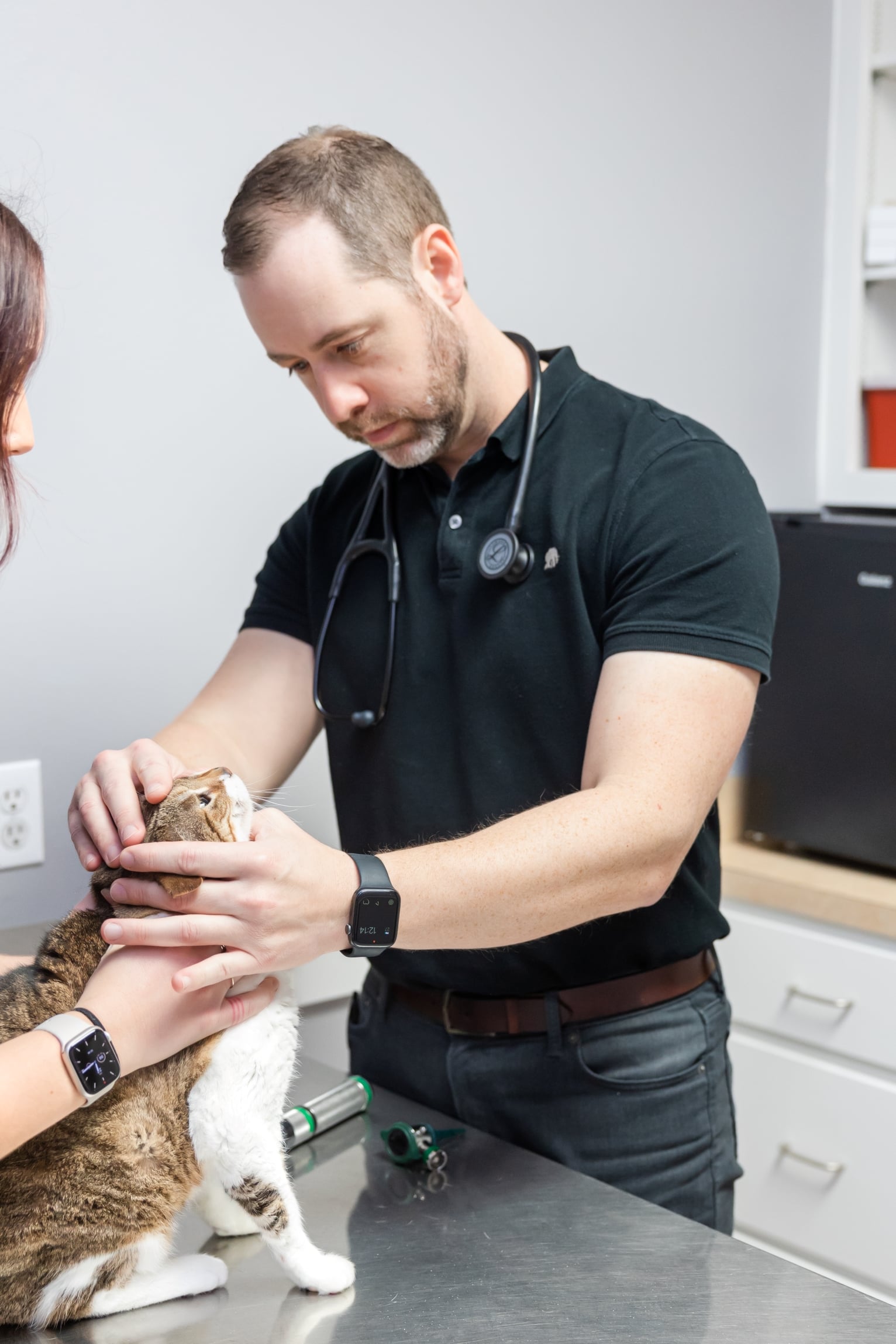
Wellness exams at Prairieville are more than a vaccination check. They are a holistic assessment of health, reflecting the reality that prevention encompasses nutrition, exercise, dental care, parasite control, and mental well‑being. The best wellness visit is a conversation that blends observation with objective data: weight, heart rate, mucous membrane color, hydration status, and posture. Each element adds a layer to the diagnostic picture and helps us decide whether vaccines should be updated or adjusted and whether any preventive therapies should be pool‑side rather than delivered in a sterile room.
Owners appreciate a steady rhythm: an annual or semiannual appointment that serves as a health checkpoint. We tailor the conversation to the pet’s age, lifestyle, and family schedule. A senior dog with arthritis, for example, may require a slightly different approach to vaccination timing or a modified activity plan that keeps the animal engaged without overexertion. A curious indoor cat might benefit from a discussion about environmental enrichment that reduces stress and supports immune function. These conversations are the heartbeat of preventive care, linking vaccine schedules to day‑to‑day life.
A well‑structured wellness visit helps families navigate common questions, such as whether a vaccine is due at the next checkup or whether annual boosters can be spaced out. We provide a clear, practical answer and a rationale anchored in science and clinical experience. The goal is not to upsell but to ensure that each patient leaves with a plan that reduces risk and increases quality of life. The client leaves with notes and reminders, a sense of direction, and confidence that the clinic understands their household dynamic and long‑term goals for health.
Community Health and Access: The Prairieville Perspective
A vaccination program is only as strong as the community that sustains it. Prairieville benefits from a clinic that combines clinical excellence with real‑world accessibility. We want families to feel that preventive care fits into their budgets and their routines, not that it is something optional tucked away in a drawer of health responsibilities. To that end, we work with clients on payment options, reminder systems, and flexible scheduling. The practical aim is to keep vaccines current without becoming a burden or an afterthought.
Clinics operate within a broader ecosystem of pet ownership that includes shelters, rescue groups, boarding facilities, and pet‑friendly workplaces. Each of these environments can influence the risk landscape and, consequently, the vaccination strategy. Our team stays connected with local partners, sharing data about disease patterns, seasonal spikes, and emerging concerns. When a dog that visits a popular dog park develops symptoms consistent with a transmissible disease, we respond quickly with targeted communication to the community and a review of the local risk profile. This is how vaccination programs translate into community resilience.
Education remains central to our approach. We provide owners with take‑home materials that explain vaccine schedules, expected reactions, and what constitutes an emergency. We also offer informal clinics or Q&A sessions after work hours to make information accessible for families who cannot attend during business hours. The aim is a culture of informed participation, where families feel capable of contributing to the health of their pets and their neighbors.
Navigating Real‑World Constraints: Practical Trade‑offs
No vaccination plan exists in a vacuum. Real life introduces a host of constraints: travel, work shifts, sudden illness, and shifting family priorities. We acknowledge these constraints and design our programs to tolerate disruption without sacrificing protection. For instance, if a family misses a booster window, we do not frame it as a failure but as a new point on the map. We reschedule, reassess, and re‑educate, always with a clear justification for why maintaining momentum matters.
Another common constraint is the cost barrier. Preventive care can seem expensive when viewed as a yearly bill rather than as a long‑term investment in health. To address this, we discuss alternatives, such as phased vaccination plans or bundled preventive care packages that balance affordability with comprehensive protection. The important thing is to avoid forcing families into choices that jeopardize the animal’s health.
Edge cases remind us that vaccines may not be the right answer in every situation. A pet with a severe, ongoing medical condition or a recent major surgery may require a temporary pause in certain vaccines. We openly discuss these scenarios, explaining the rationale and offering a timeline for when protection can safely resume. The texture of veterinary medicine is in these nuanced judgments, where the path forward is not a single line but a careful sequence of decisions aligned with the patient’s needs.
The Prairieville Promise: Continuity, Clarity, and Care
Ultimately, our vaccination programs are about continuity. We want families to feel that care is continuous, even when the pet ages, travels, or encounters new environments. Clarity matters—the schedule should be easy to follow, the rationale well explained, and the expectations realistic. And the care must be unwavering: a team ready to adjust, support, and guide every time a pet’s health story shifts.
To maintain this promise, we invest in practical infrastructure: digital records, clear communication channels, and a culture that values listening as much as prescribing. We also keep the door open for families to ask questions, share concerns, and participate in decisions about their pet’s health. This is the core of community health through vaccination programs. It is a shared project, one that grows stronger with every patient and every family who chooses to engage.
A Final Look at the Path Forward
The vaccination program at Prairieville Animal Hospital is not a static policy. It is a living practice guided by science, shaped by daily realities, and sustained by relationships. We measure success by fewer illness episodes, fewer emergency visits, and a broader sense of security that comes from knowing the pet is protected. We watch for trends in disease exposure at the community level and adjust the plan when needed, always with a clear explanation to clients about what changed and why.
For families starting out with a new puppy or kitten, the path is straightforward but not simplistic. Bring the animal in for an initial wellness exam, discuss the vaccine plan, and schedule the boosters with a simple calendar you will actually use. For households with adult pets, the emphasis shifts to maintenance, record keeping, and reinforcing healthy routines. And for seniors, the focus remains on protection, comfort, and quality of life, with vaccines that support immune function without unnecessary risk.
Being part of Prairieville means watching a neighborhood evolve while keeping a steady line of defense against preventable disease. It means a clinic that knows its residents, that listens to concerns in plain terms, and that acts with empathy and precision. It means, in short, taking vaccination programs seriously because they protect not just animals, but families, workplaces, and yards where life unfolds every day.
If you are looking for reliable veterinary care that understands Prairieville and its rhythms, the team at Prairieville Animal Hospital is ready to welcome you. We invite you to explore our services, see how a pet wellness exam fits within a larger preventive framework, and discover how vaccinations for pets can form the backbone of a healthier community. You will find care that is consistent, practical, and deeply informed by years of hands‑on experience caring for animals and supporting the people who love them.